


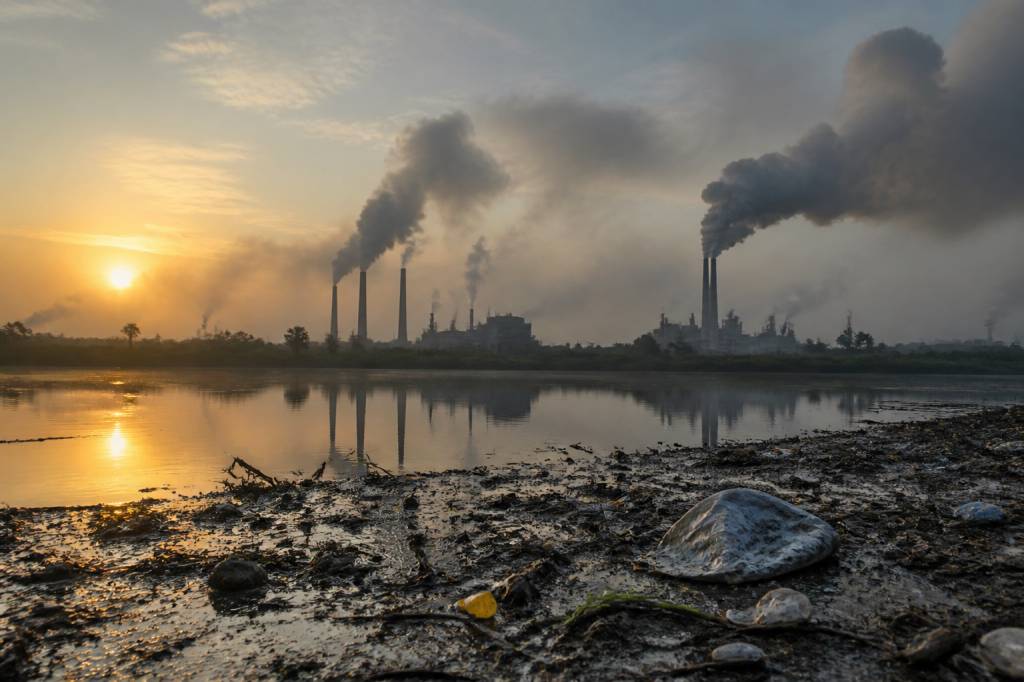
Pollution is one of those problems that can feel abstract until it lands on your doorstep—literally. A plastic bottle washed up on a beach. Smog hanging over a city at dawn. A river that smells wrong. I’ve seen all three on my travels, from remote coastlines to crowded urban edges, and the pattern is always the same: what we call “pollution” is really a collection of choices, habits, and systems that have gone off the rails.
The good news? Once you understand the main causes, the real effects, and the solutions that actually work, pollution stops looking like an unstoppable disaster and starts looking like a problem we can tackle. Not easily. Not magically. But seriously, and at scale.
What pollution actually is
Pollution is the introduction of harmful substances or energy into the environment, usually faster than nature can absorb or break them down safely. That includes waste in the air, water, and soil, but also noise, light, heat, and even chemical contamination that lingers for decades.
It’s tempting to think of pollution as a modern inconvenience, like traffic jams or bad airport coffee. But it’s more than that. Pollution affects health, ecosystems, food systems, economies, and quality of life. In other words, it’s not just about “nature” in some distant, postcard sense. It’s about the air in your lungs and the water in your glass.
The main causes of pollution
Pollution has many faces, but most of its root causes come back to energy use, consumption, and waste. The world is moving too much stuff, burning too much fuel, and throwing away too many materials that never really disappear.
Here are the biggest drivers:
And yes, the word “system” matters here. Pollution is not just about a few careless individuals dropping litter on the street. Personal habits matter, but the bigger engine is the way we design transport, cities, energy, food, and products. If the machine is built to waste, it will keep wasting—efficiently, even.
Air pollution: the invisible problem you can’t ignore
Air pollution is often the hardest to notice and the easiest to underestimate. If the sky is blue, people assume everything is fine. But tiny particles and gases can still be in the air, entering lungs and bloodstream without much drama.
Major sources include vehicle exhaust, coal and gas power generation, industrial emissions, domestic heating, agricultural burning, and wildfires made worse by climate change and land mismanagement. Fine particulate matter, or PM2.5, is especially concerning because it can penetrate deep into the respiratory system.
The effects are serious:
One of the things I remember most clearly from a trip through a heavily trafficked Asian city was how quickly the air changed when you stepped away from a main road. One street felt like a normal urban morning; the next smelled like a tailpipe convention. That contrast is the point: pollution is often local in its impact, even when its causes are global.
Water pollution: when the damage travels downstream
Water pollution is especially cruel because it moves. A spill in one place can affect communities miles away, and what goes into rivers often ends up in seas, wetlands, and food chains.
Common sources include industrial discharge, agricultural runoff, sewage, oil spills, microplastics, and household chemicals poured down drains. Even when wastewater systems exist, they may not be designed to remove all contaminants, especially pharmaceuticals and persistent chemicals.
Water pollution leads to:
On a quieter note, I once spent an afternoon by a river that looked beautiful from a distance but carried a faint chemical sheen near the bank. That’s the trouble with water pollution: it can hide in plain sight, especially when we’ve grown used to “almost clean” as if that were good enough. It isn’t.
Soil pollution: the hidden damage beneath our feet
We talk a lot about the air and water, but soil pollution is the slow burn in the background. Contaminated soil affects what we grow, what we eat, and what seeps into groundwater.
Soil contamination often comes from pesticides, industrial dumping, heavy metals, landfill leakage, mining waste, oil leaks, and improper disposal of e-waste. Once toxins enter soil, they can stay there for a very long time, making cleanup expensive and sometimes extremely difficult.
The consequences include:
Healthy soil is not just “dirt.” It’s a living system. When it’s damaged, the effects ripple outward into agriculture, water quality, and climate resilience. That’s why land stewardship matters as much as energy policy, even if it gets far less attention.
Noise and light pollution: the overlooked disruptors
Not all pollution is visible in the same way. Noise pollution from traffic, construction, airports, and shipping can disrupt sleep, raise stress levels, and affect wildlife communication and breeding patterns. Light pollution, caused by excessive or poorly directed artificial light, can confuse migratory birds, insects, sea turtles, and even human circadian rhythms.
These forms of pollution often get dismissed because they don’t leave sludge on your shoes. But they reshape environments in profound ways. A city that never sleeps may sound efficient and energetic, but to a nesting bird or a tired human, it can feel like a long, low-grade assault.
The effects of pollution on health and society
Pollution is not an abstract environmental issue tucked away in policy reports. It affects people here and now, and the burden is not shared equally. Low-income communities, rural populations near industrial sites, and many communities in the Global South often face higher exposure with fewer resources to escape it.
Health impacts can include:
There are also broader social effects. Pollution increases healthcare costs, reduces productivity, damages infrastructure, lowers tourism appeal, and can intensify inequality. If a child grows up near a polluted road or an unsafe landfill, their opportunities can be shaped before they even understand what’s happening.
And then there’s the emotional toll. Living with polluted surroundings can create a sense of resignation, even numbness. People stop expecting clean air, safe water, or green public spaces. That is a quiet tragedy all by itself.
What works: practical solutions for a cleaner future
The phrase “cleaner future” can sound vague unless we get specific. Fortunately, many solutions are already known. The challenge is scale, speed, and political will.
Here’s what makes a real difference:
Green technology is part of the answer, but only when it’s used honestly. A battery-powered future still needs responsible mining, ethical supply chains, and design that avoids swapping one environmental problem for another. The point is not to replace pollution with a shinier version of pollution.
What businesses and governments can do now
Companies often like to say they are “committed to sustainability” while still treating waste as someone else’s problem. Charming, isn’t it? Real progress requires measurable action.
Businesses can reduce pollution by:
Governments can help by:
Policy matters because voluntary promises only go so far. When pollution is allowed to remain cheap, it gets built into every stage of the economy. The job of leadership is to make clean choices the easiest ones, not the hardest.
What individuals can realistically do
Individual actions won’t solve pollution alone, but they do matter, especially when they send signals through markets, communities, and politics. The key is to avoid guilt theatre and focus on leverage.
Useful steps include:
If that sounds less glamorous than some social media “eco-hacks,” that’s because it is. But boring solutions, repeated consistently, tend to beat dramatic gestures every time. Nature has a remarkable talent for rewarding persistence.
Why this matters for travel, too
For those of us who love travel, pollution should feel personal. It shapes the places we visit and the communities that welcome us. A beach covered in waste is not just ugly; it is a failure of stewardship. A city choked by exhaust is not just inconvenient; it is a warning sign. A coral reef weakened by runoff and warming water is not just a loss for divers; it is a collapse of life support.
Travel can either add to the problem or help shift it. Choosing trains over short-haul flights where feasible, respecting local ecosystems, reducing plastic use, and supporting businesses that invest in ethical practices all add up. Responsible travel is not about perfection. It’s about refusing to pretend that our movement through the world has no consequences.
Moving from awareness to action
The facts about pollution are uncomfortable, but they are also clarifying. Pollution is caused by systems we can change, and its effects are serious enough that half-measures will not do. Cleaner futures are built through better design, better policy, smarter technology, and a lot less wasteful thinking.
If there’s one takeaway worth holding onto, it’s this: pollution is not inevitable. It is the product of choices, and choices can be revised. That may not be as neat as a miracle fix, but it is far more useful.
So the next time you see a polluted riverbank, a smoky skyline, or a street littered with packaging, don’t just shrug and call it modern life. Ask a sharper question: what would it take to make this place cleaner, healthier, and more honest about the cost of progress?
That question is where change begins.