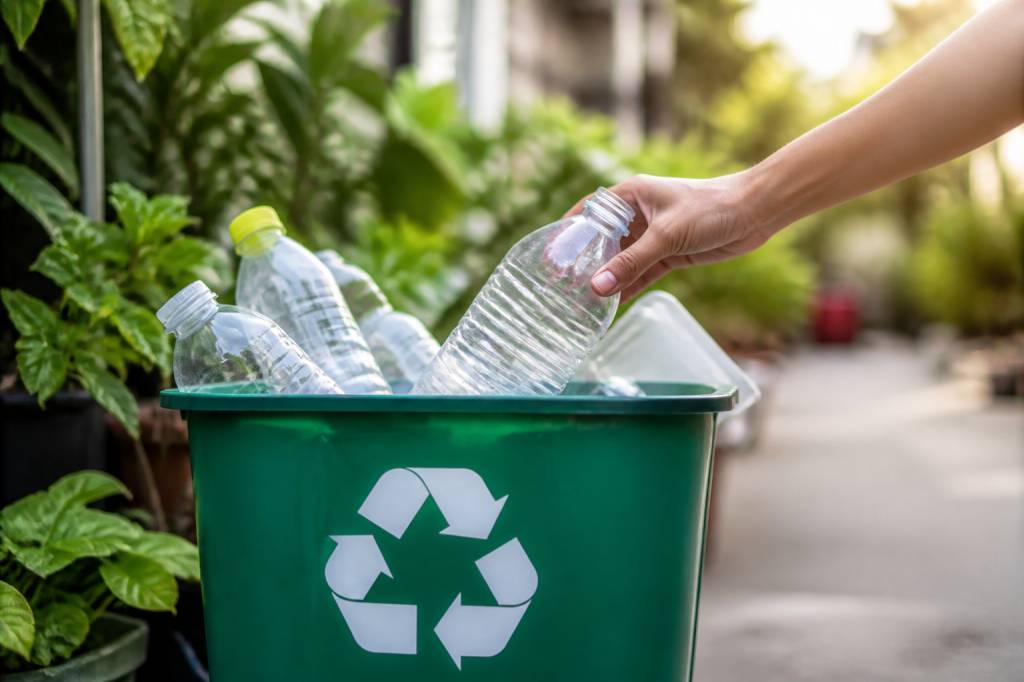
Recycling is one of those habits that sounds almost too ordinary to matter. A rinsed jar in the right bin, a stack of cardboard flattened down, a laptop sent for proper recovery instead of a landfill shortcut — it doesn’t exactly feel like a world-changing act. And yet, after years of watching beautiful places strain under the weight of waste, I’ve become convinced that recycling is one of the quiet engines behind both sustainable living and responsible business.
It is not glamorous. It won’t solve every environmental problem on its own. But dismissing recycling because it’s “basic” is a bit like dismissing a compass because it’s not a yacht. It helps you move in the right direction. And in a time when consumers are paying more attention, supply chains are under pressure, and businesses are expected to prove their values rather than just print them on a mission statement, recycling has become far more than a household chore.
Recycling makes sustainable living more practical
Sustainable living can feel overwhelming when it’s presented as a complete lifestyle overhaul. People hear “live sustainably” and immediately picture solar panels, electric vehicles, zero-waste kitchens, and some mythical person who never buys anything wrapped in plastic. That’s enough to make anyone want to bury their head in a reusable tote bag.
Recycling helps because it offers a simple entry point. It turns sustainability into a habit rather than a personality test. Most people can begin by separating paper, glass, metals, and plastics, then building from there. That matters, because lasting change usually begins with repeated action, not dramatic gestures.
On a personal level, recycling also encourages mindfulness. You start noticing what you consume, what you throw away, and how often you buy things designed for a single use. That awareness can spill into other areas: choosing repair over replacement, picking products with minimal packaging, or buying second-hand instead of new. Recycling is often the first step that makes the rest of sustainable living feel achievable.
It reduces pressure on natural resources
Every product we use has a material footprint. Mining, logging, drilling, and manufacturing all demand energy and extract resources from the planet. Recycling helps slow that process by keeping valuable materials in circulation for longer.
Take aluminium, for example. Recycling aluminium uses far less energy than producing it from raw ore. Paper recycling reduces the need for fresh timber. Glass can be melted and reused again and again. Metals, textiles, electronics — all of these contain materials that can be recovered and reintroduced into production instead of being discarded.
This is where recycling becomes more than waste management. It becomes resource management. And that shift matters. If businesses and households keep treating materials as disposable, we keep feeding an extractive system. If we treat materials as valuable, reusable assets, we begin to build a more circular economy.
It cuts waste and keeps landfills under pressure
Landfills are not just ugly. They are inefficient, costly, and often environmentally damaging. They occupy land, release methane as organic waste breaks down, and can create long-term pollution risks if not properly managed.
Recycling helps reduce the volume of material that ends up buried or burned. That alone is a major advantage. Less landfill waste means less methane, less leachate, and less demand for new disposal sites. In densely populated regions, that can make a real difference to local planning, public health, and environmental quality.
There’s also a cultural point here. When people see overflowing bins and disposal becoming the default answer to everything, waste becomes invisible. Recycling interrupts that pattern. It says: this material still has value, and we are responsible for what happens to it next.
It supports a circular economy, not a throwaway one
The old model is simple: take, make, use, dump. It’s also wildly inefficient. A circular economy aims to keep products and materials in use for as long as possible through reuse, repair, refurbishment, remanufacturing, and recycling.
Recycling is one of the key mechanisms that makes this model work. It closes loops. Instead of a product ending its life in a bin, its materials can return to production. That reduces the need for virgin materials and helps businesses design more resilient systems.
For consumers, this has a practical upside too. A circular mindset often leads to better products: items designed for durability, easier disassembly, and simpler recovery at end of life. In other words, recycling doesn’t just deal with waste. It influences how things are made in the first place.
It gives green businesses a real competitive edge
For green businesses, recycling is not just a feel-good side note. It can improve efficiency, reduce costs, and strengthen brand trust. Customers are increasingly able to spot the difference between genuine commitment and marketing fluff. If a company says it cares about sustainability, people want to see the receipts — preferably the ones printed on recycled paper.
Businesses that integrate recycling into operations can benefit in several ways:
- Lower disposal costs through reduced landfill use
- Improved material recovery from production waste
- Better compliance with environmental regulations
- Stronger reputation with eco-conscious customers
- Clearer ESG reporting and sustainability metrics
- More opportunities for innovation in packaging and product design
In many sectors, sustainability is no longer a niche advantage. It is part of the basic expectation. Companies that recycle effectively can position themselves as practical, modern, and credible — not just “green” in a vague advertising sense.
It can improve operational efficiency
One of the less glamorous but most important benefits of recycling for business is operational clarity. When a company starts tracking waste streams properly, it often discovers where materials are being lost, overused, or poorly managed.
That insight can lead to smarter purchasing decisions, tighter inventory control, and more efficient packaging choices. For example, a hospitality business might discover that too much food packaging is being discarded because suppliers use mixed-material formats that are hard to recycle. Switching packaging standards can reduce waste and simplify sorting.
In manufacturing, recycling and waste audits can reveal opportunities to recover offcuts or scrap material. In offices, improved paper and electronics recycling can reduce clutter and help teams work more sustainably. These may sound like small gains individually, but together they can improve both environmental performance and the bottom line.
It helps businesses meet customer expectations
Let’s be honest: customers are paying attention. Many now expect businesses to show environmental responsibility in tangible ways. They want to know whether packaging is recyclable, whether materials are responsibly sourced, and whether companies are doing anything meaningful beyond vague “eco” branding.
Recycling helps businesses answer those questions with evidence. Clear recycling practices signal responsibility, transparency, and a willingness to do the unglamorous work that sustainability actually requires. That can build loyalty.
And loyalty matters. A customer who trusts a business’s values is more likely to return, recommend it, and forgive the occasional hiccup. People understand that no company is perfect. What they do not have much patience for is hollow claims without action.
It encourages innovation in design and packaging
Once a business starts thinking seriously about recycling, design decisions change. Packaging becomes a strategic issue instead of an afterthought. Materials are chosen not just for appearance or cost, but for recoverability and environmental impact.
This is where recycling and innovation meet. Businesses begin asking better questions:
- Can this package be recycled locally?
- Can we reduce material use without compromising quality?
- Can we switch from mixed materials to mono-materials?
- Can we design products for easier repair or disassembly?
- Can we use recycled content without reducing performance?
These questions often lead to better products. Not always cheaper ones, at least at first. But better in ways that matter: simpler, cleaner, more durable, and easier to integrate into a lower-impact system. That is the kind of innovation sustainable businesses need if they want to stay relevant.
It strengthens community responsibility
Recycling is not just an individual or corporate action. It is also a community habit. When neighborhoods, schools, hotels, offices, and local businesses all take recycling seriously, the effect multiplies.
People notice consistency. If a café clearly separates waste and explains its recycling policy, customers are more likely to follow suit. If an office normalizes recycling and reuse, staff begin to carry those habits into their homes. If a tourism business makes responsible disposal easy for guests, it shapes expectations across an entire journey.
That matters in travel-heavy industries. Tourism can either place pressure on local infrastructure or support it. Businesses that take recycling seriously help reduce the burden on communities that are already coping with seasonal demand, fragile ecosystems, and limited waste services.
It can lower emissions when done properly
Recycling is not automatically perfect, but in many cases it helps reduce greenhouse gas emissions compared with producing materials from scratch. The biggest gains tend to come from energy-intensive materials like aluminium, steel, and glass, as well as paper products and certain plastics.
The key phrase here is “done properly.” Recycling only works well when systems are efficient, contamination is low, and materials actually get processed into new products. That means businesses and households need to sort waste correctly, avoid wishful thinking, and support local recycling infrastructure that can handle the materials being collected.
It’s tempting to treat recycling as a magic wand. It isn’t. But when it works as part of a broader sustainability strategy — alongside waste reduction, reuse, and responsible procurement — it can make a real dent in emissions.
Practical ways to make recycling work better
Good intentions are nice. Systems are better. Whether you are running a business or trying to live more sustainably at home, recycling becomes much more effective when it is built into daily routines.
- Make recycling bins easy to find and clearly labelled
- Train staff or household members on what can and cannot be recycled locally
- Reduce contamination by rinsing containers and keeping food waste out of dry recycling
- Choose products with recyclable packaging where possible
- Buy in bulk to reduce packaging waste
- Use suppliers that prioritize recycled content and low-impact materials
- Audit waste regularly to spot patterns and improvement areas
Small changes make a difference because they lower friction. If recycling is confusing, people give up. If it is simple, visible, and reinforced, it becomes part of the culture.
Why recycling still matters, even when it feels imperfect
Some critics argue that recycling has been oversold, and they are not entirely wrong. Recycling alone cannot compensate for overconsumption, poor product design, or businesses that use “recyclable” as a marketing shield while continuing to produce mountains of waste. Fair point.
But the answer is not to abandon recycling. The answer is to be honest about its role. Recycling is one important tool in a wider sustainability toolkit. It works best when combined with reduction, reuse, repair, and smarter business models. It is not the whole solution, but it is a necessary part of one.
I have seen too many places damaged by careless consumption to treat any effective waste strategy as optional. Whether you are a traveller trying to tread lightly or a business owner trying to build something with integrity, recycling is one of the clearest signs that you are thinking beyond the next purchase, the next sale, or the next bin bag.
And that is the deeper advantage. Recycling is not just about waste. It is about values made visible. It says that materials matter, that systems matter, and that the choices we make every day shape the world we leave behind.